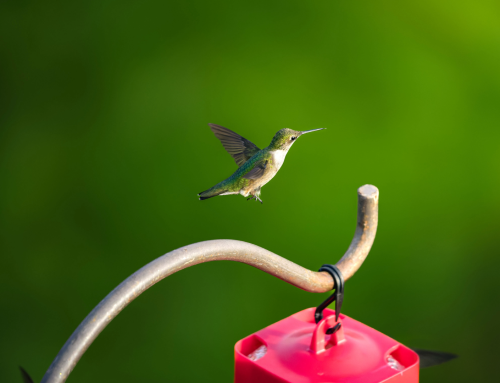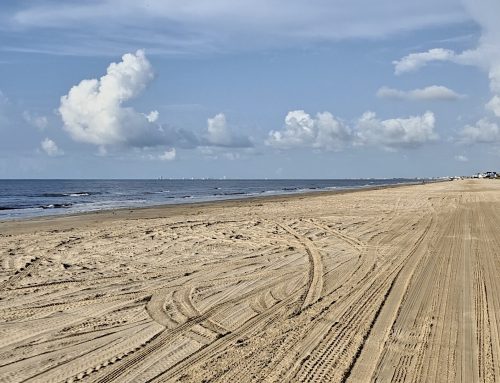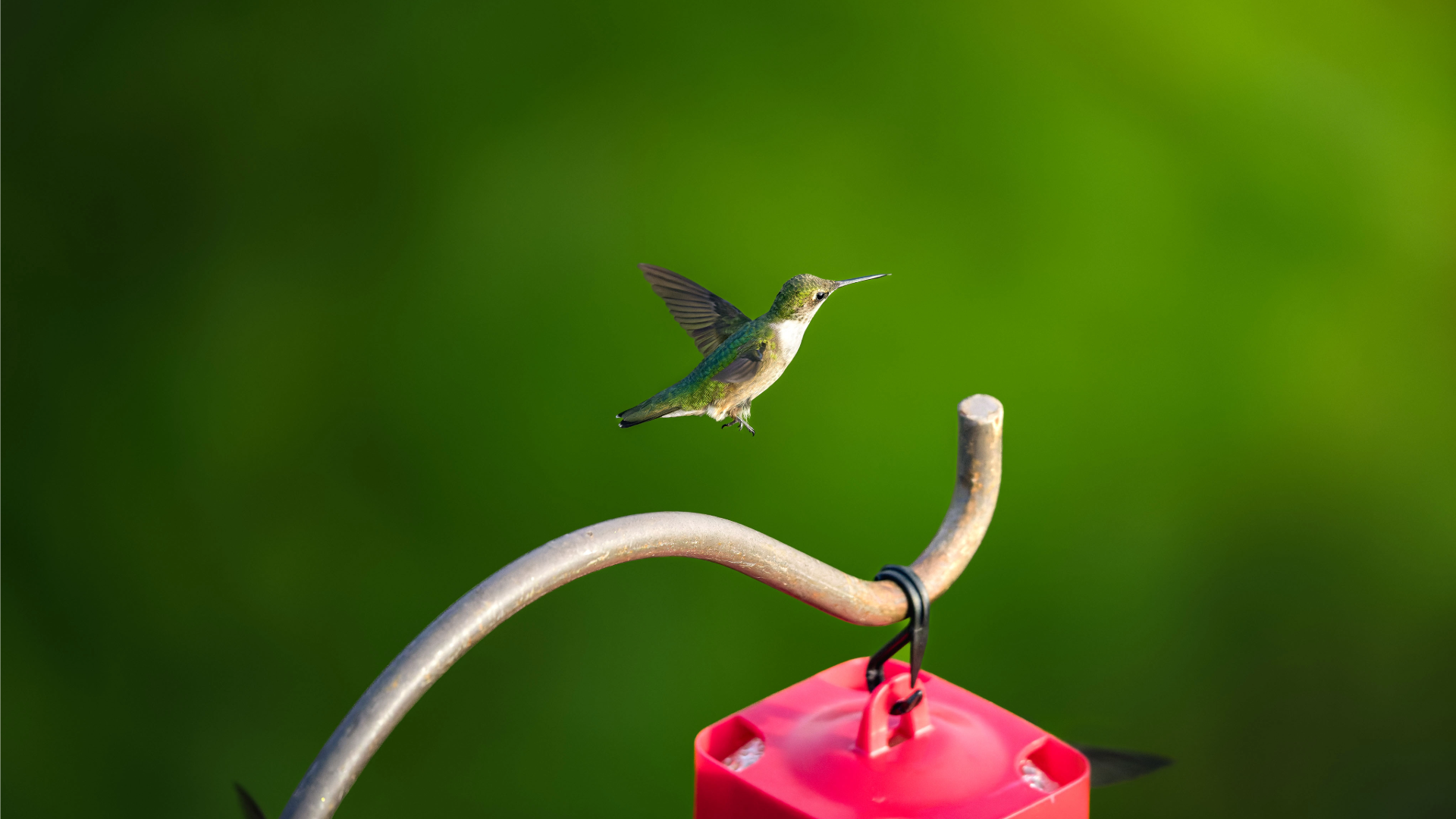
If you’re passionate about bird watching, Bolivar Peninsula in Texas offers an unparalleled experience along the Gulf Coast. This 27-mile stretch of coastline is a critical stopover for migratory birds, hosting over 400 documented species and attracting enthusiasts from around the world. From expansive tidal flats to wooded sanctuaries, birding on Bolivar Peninsula combines stunning natural beauty with incredible biodiversity. Whether you’re a seasoned birder or just starting out, this guide will help you make the most of your visit to one of the best birding destinations in the United States.
Why Bolivar Peninsula is a Top Birding Destination
Bolivar Peninsula stands out as a globally significant birding hotspot due to its unique geography and habitats. Located between Galveston Bay and the Gulf of Mexico, it features a mix of beaches, marshes, tidal flats, and woodlands that provide essential resting, feeding, and breeding grounds for hundreds of thousands of birds annually. It’s designated as a Globally Important Bird Area and part of the Western Hemisphere Shorebird Reserve Network, highlighting its role in shorebird conservation.
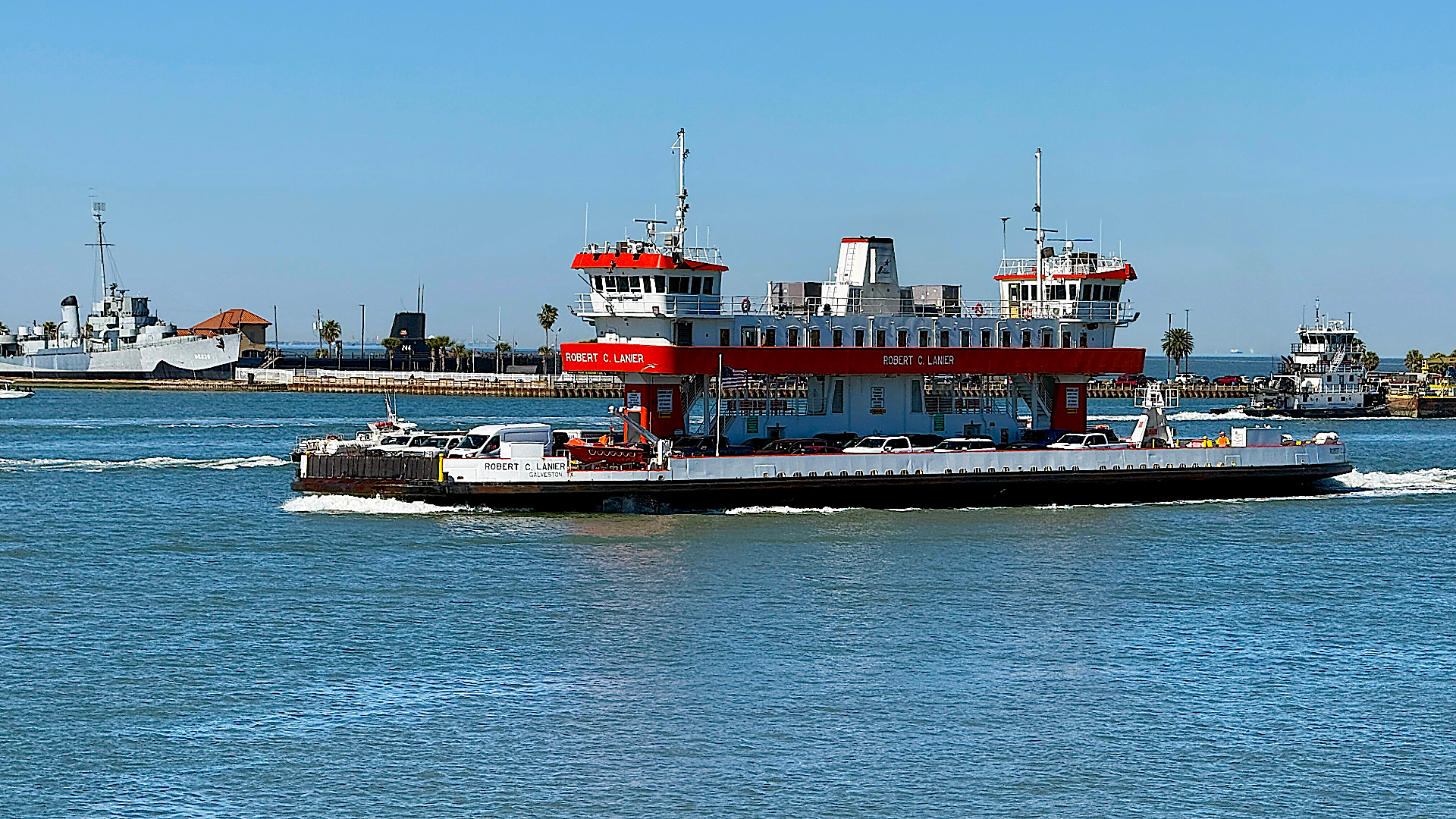
The peninsula’s position on the Central Flyway makes it a vital migratory corridor. Birds traveling between North and South America stop here to refuel, especially during spring and fall migrations. Nearby attractions like the Anahuac National Wildlife Refuge enhance the experience, offering even more opportunities to observe diverse species in a relatively compact area. With its accessibility via the Galveston-Port Bolivar ferry and year-round appeal, Bolivar Peninsula is perfect for both day trips and extended birding adventures.
Best Birding Spots on Bolivar Peninsula
Bolivar Peninsula boasts several premier locations for Bird Watching, each offering unique habitats and species. Here are some must-visit spots:
Bolivar Flats Shorebird Sanctuary
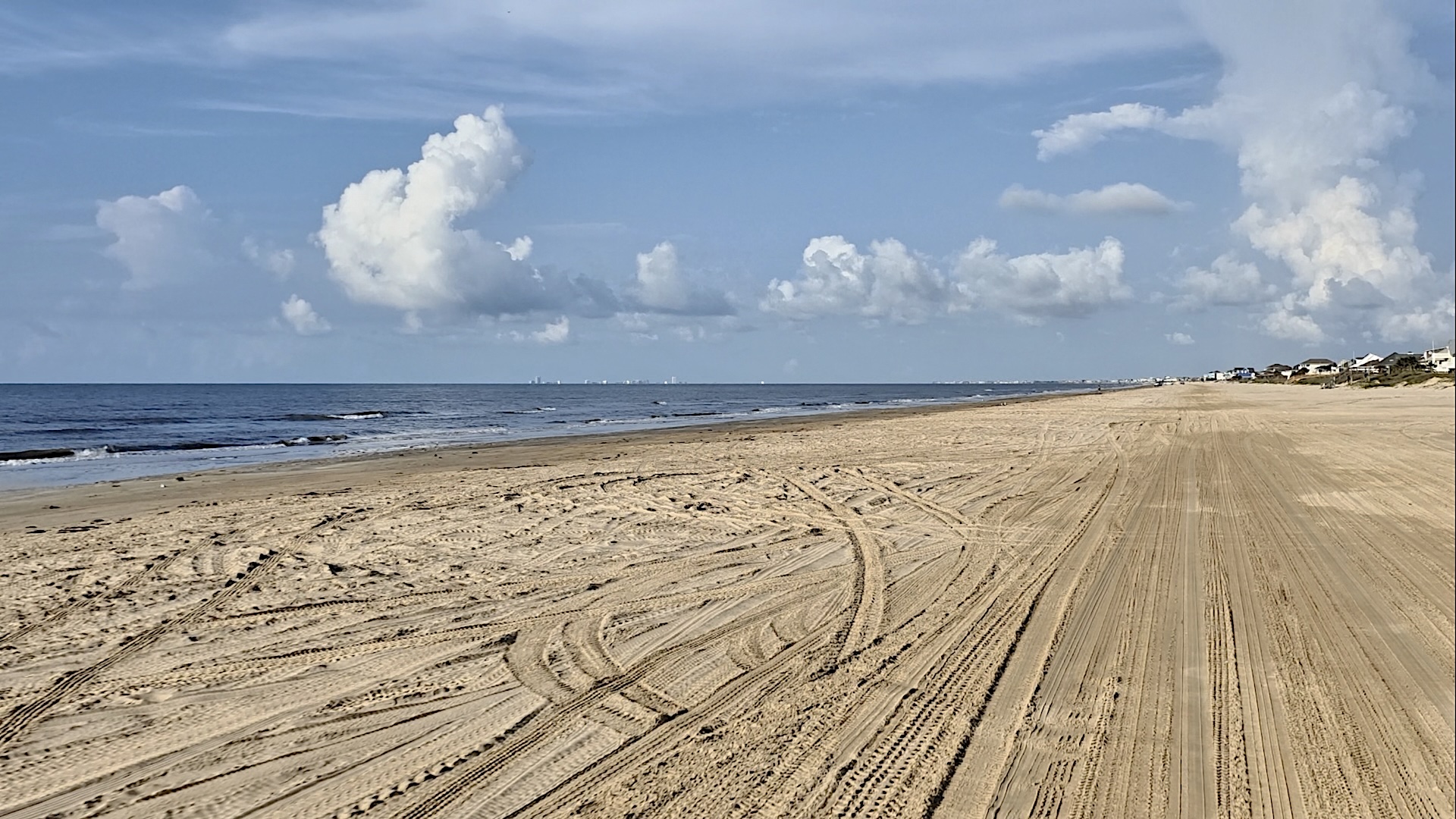
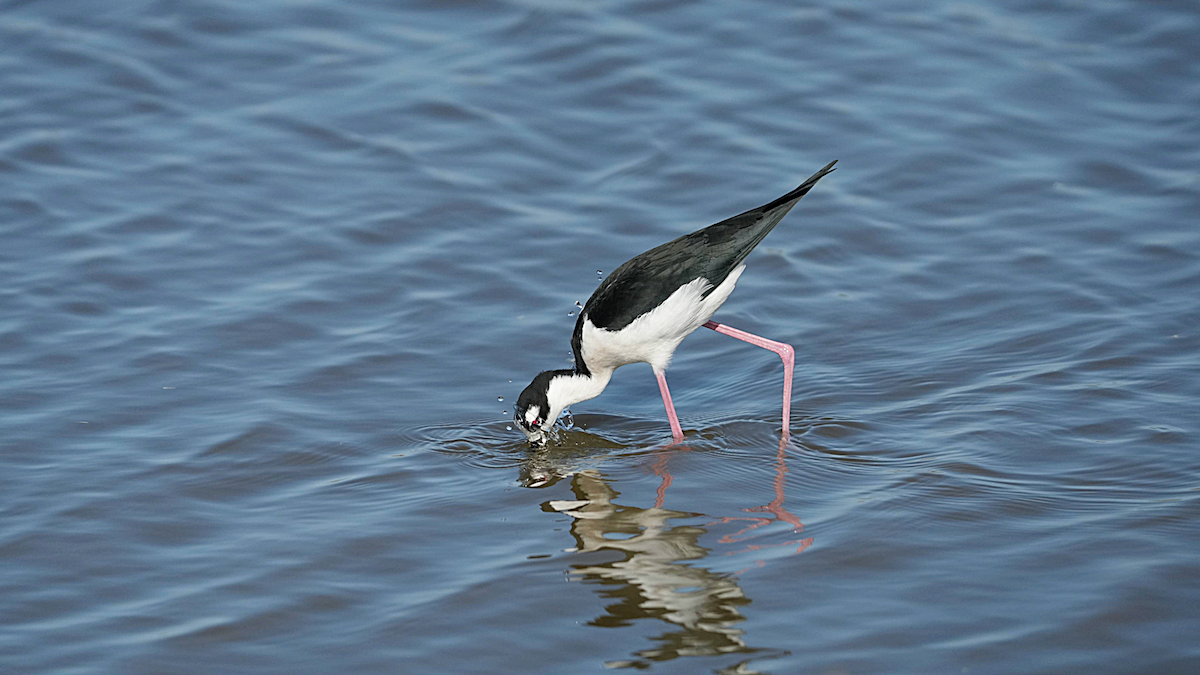
This crown jewel of Gulf Coast shorebirding is renowned for hosting massive concentrations of wintering and migrating shorebirds. Located at the base of the North Jetty, the sanctuary features extensive tidal flats where you can spot flocks of gulls, terns, and shorebirds feeding at low tide or roosting during high tide. It’s accessible by driving along the beach from Rettilon Road, and guided walks are available on the first Saturday of each month. Expect impressive year-round birding, with thousands of American Avocets wintering here.
High Island Sanctuaries
High Island, a salt dome rising above the surrounding landscape, is famous for its woodlands that attract neotropical migrants during spring fallout events. Sites like Smith Oaks and Boy Scout Woods offer boardwalks and observation platforms for viewing warblers, vireos, tanagers, and orioles. The Houston Audubon Society manages these areas, with kiosks open during peak migration seasons from March to May. Don’t miss the rookery at Smith Oaks for herons and egrets.
Rollover Pass and Bay
This man-made channel creates tidal flats on the bay side, ideal for observing coastal and migratory birds. It’s car-friendly and great for spotting species like Clapper Rails and Seaside Sparrows in the saltmarshes. Combine it with a visit to nearby Frenchtown Road for additional wetland birding.
North Jetty and Other Coastal Areas
The North Jetty provides vantage points for seabirds and waders, while areas like Bob Road offer family-friendly spots with Willets and other shorebirds. These locations are part of the Great Texas Coastal Birding Trail, ensuring well-marked paths and diverse sightings.
Best Times for Bird Watching on Bolivar Peninsula
Timing your visit can maximize your birding success. Spring migration from March to May is peak season, when neotropical birds arrive after crossing the Gulf, often in spectacular fallouts following cold fronts. Fall migration, from September to November, brings southbound birds, with late September to mid-October being especially productive.
Winter (December to February) is excellent for shorebirds and waterfowl, including large flocks of ducks, gulls, and terns. Summer offers breeding species like Least Terns and Wilson’s Plovers, though heat can be a factor. Year-round birding is possible, with resident species always present. Check eBird for real-time sightings and consider visiting after weather events for the best concentrations.
Common Birds You Might See on Bolivar Peninsula
The peninsula’s diverse ecosystems support a wide array of birds. Here’s a breakdown by category:
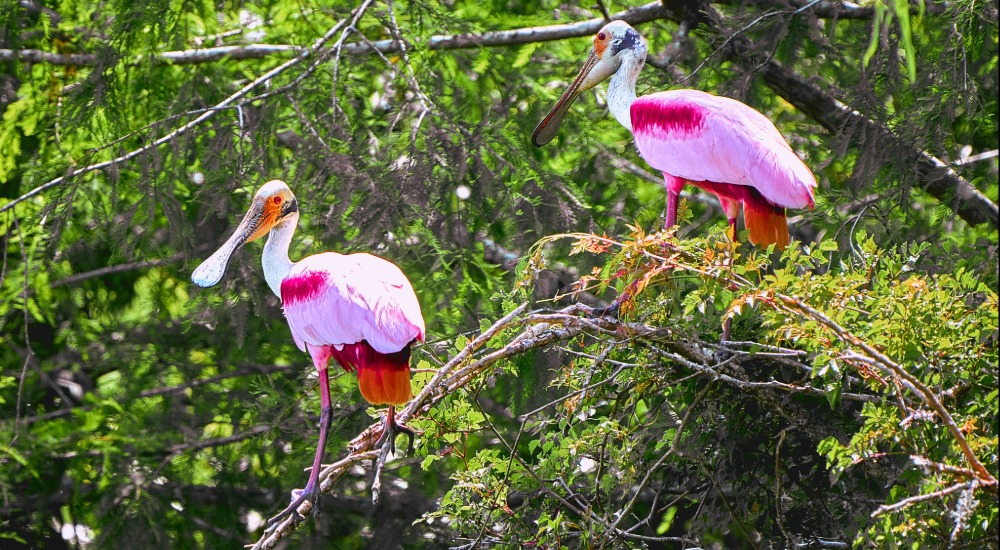
Shorebirds and Waders
Look for American Avocets, Piping Plovers, Snowy Plovers, Willets, Red Knots, and Marbled Godwits. Bolivar Flats is prime for these, with thousands wintering or migrating through.
Waterbirds
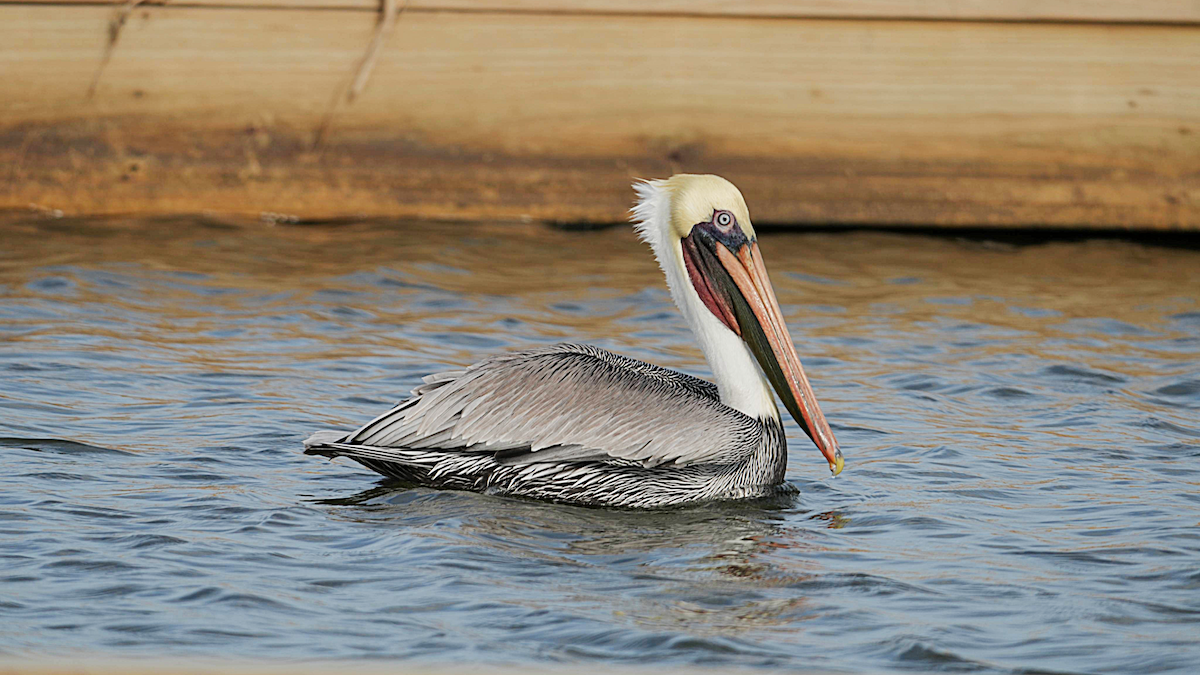
Common sightings include Great Egrets, Tricolored Herons, American White Pelicans, Brown Pelicans, and various ducks like Black-bellied Whistling Ducks. Gulls and terns, such as Laughing Gulls and Least Terns, are abundant along the coast.
Landbirds and Raptors
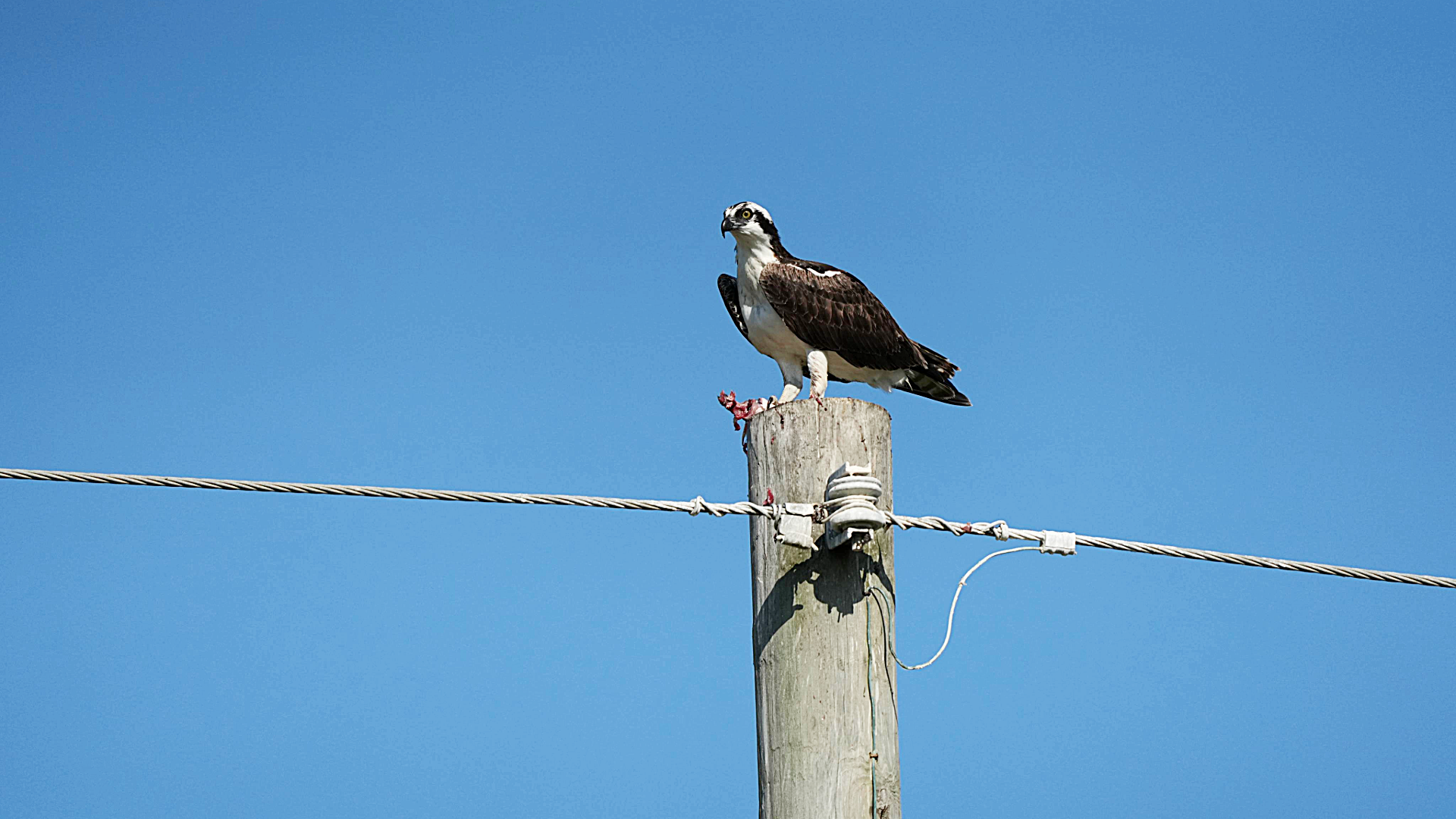
In woodlands, spot warblers, vireos, flycatchers, and buntings during migration. Resident landbirds include Northern Mockingbirds, Loggerhead Shrikes, Scissor-tailed Flycatchers, and raptors like Ospreys and Northern Harriers.
Tips for Successful Birding on Bolivar Peninsula
To enhance your experience:
- Gear Essentials: Bring binoculars, a field guide (or app like Merlin Bird ID), sunscreen, insect repellent, and sturdy shoes for muddy flats.
- Etiquette: Stay on designated paths, keep a respectful distance from birds, and avoid disturbing nests. Dogs are not allowed in many sanctuaries.
- Guided Options: Join free monthly walks at Bolivar Flats or check for Houston Audubon Society events.
- Access and Safety: Use the ferry from Galveston for easy entry. Check tides, as some areas are best at low tide. Be mindful of weather—Texas coastal conditions can change quickly.
- Accommodations: Stay in nearby Crystal Beach or Port Bolivar for beachfront rentals, making multi-day trips convenient.
Plan Your Birding Adventure Today
Birding on Bolivar Peninsula is more than a hobby—it’s a chance to connect with nature in one of Texas’s most vibrant ecosystems. With its rich history of conservation and endless opportunities for discovery, this destination promises memorable sightings for birdwatchers of all levels. Grab your binoculars and head to the Gulf Coast; the birds are waiting!
Make sure you check out Birding On Bolivar, a 10 week series with Bolivar Live. Every year starting the end of February and running thru the first of May, Bolivar Live teams up with Houston Audubon to showcase the areas on Bolivar Peninsula to enjoy Birding weekly.