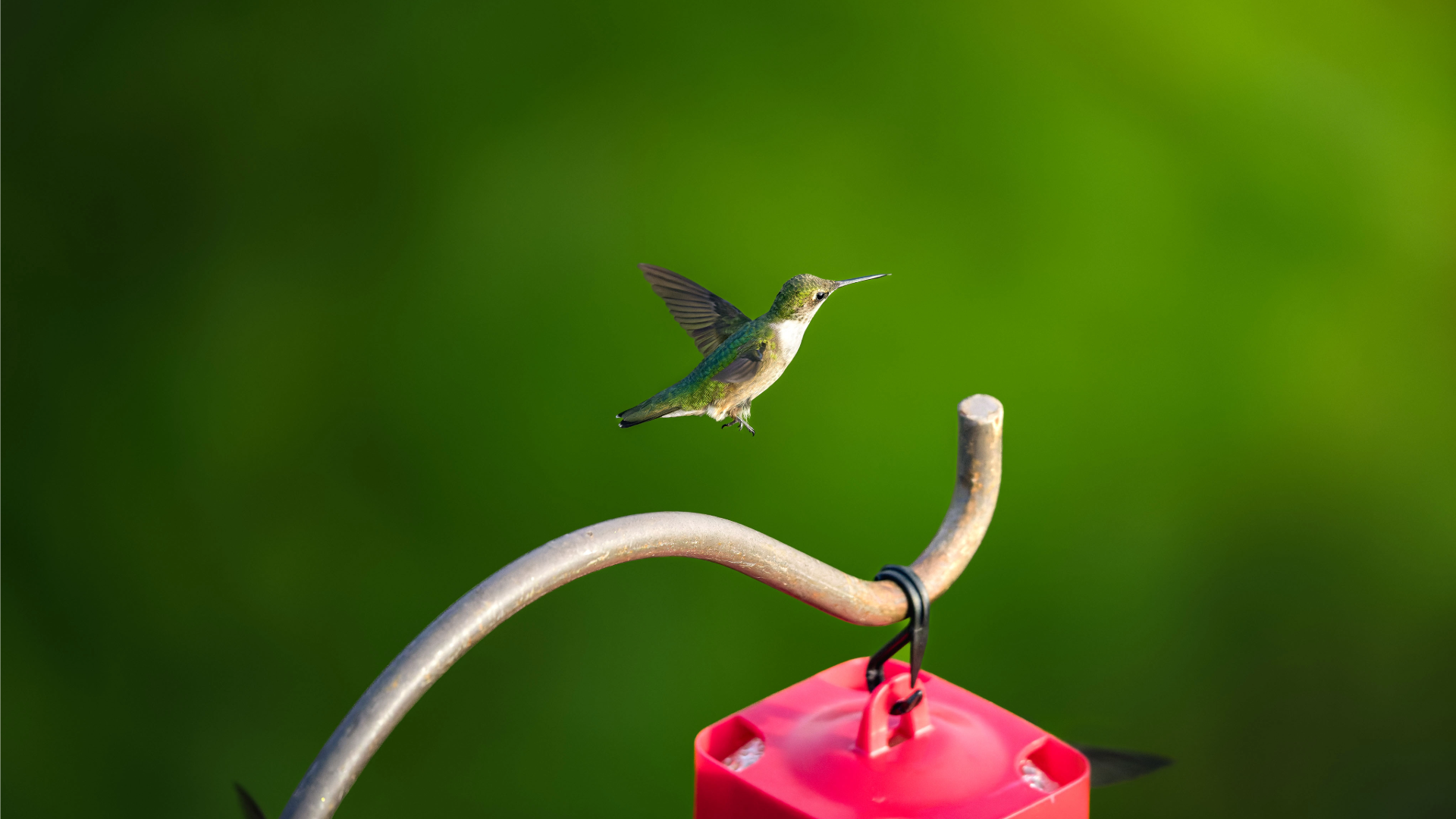
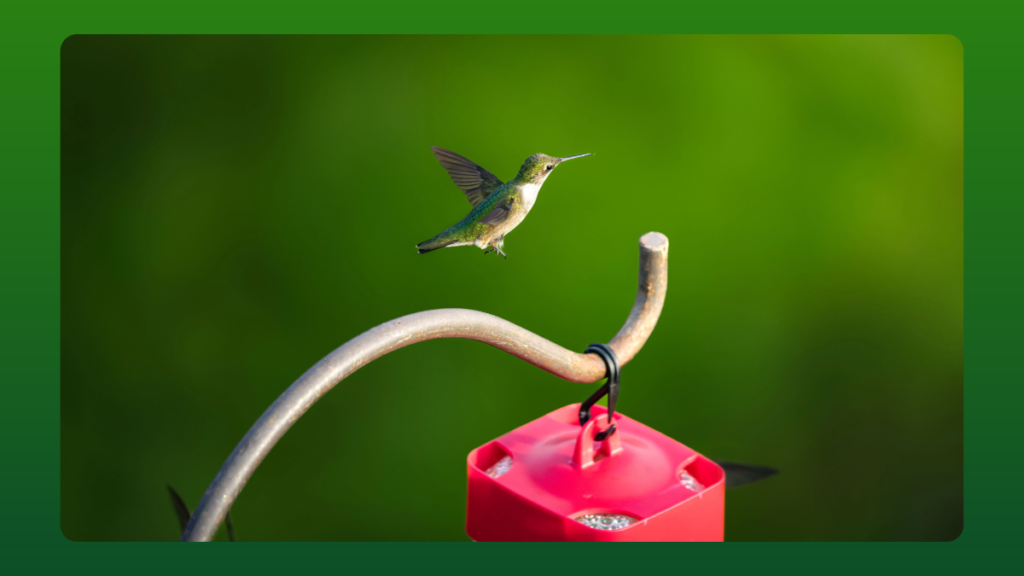
Every autumn, a quiet miracle unfolds along the Texas Gulf Coast. Millions of tiny winged jewels—weighing no more than a single penny—embark on one of the animal kingdom’s most astonishing journeys. For bird lovers and coastal travelers alike, the Bolivar Peninsula serves as a vital front-row seat to this extraordinary phenomenon: the southbound migration of the Ruby-throated Hummingbird.
Where They Come From: The Northern Breeding Grounds
The vast majority of hummingbirds passing through Bolivar are Ruby-throated Hummingbirds (Archilochus colubris). During late spring and summer, these agile fliers spread out across hundreds of thousands of square miles, nesting throughout:
- Eastern and Central North America: From Texas and Florida all the way north to New England and the Great Lakes.
- Southern Canada: Extending west across Alberta, Saskatchewan, and Manitoba, and east to Nova Scotia and Quebec.
As daylight shortens in late summer, physiological triggers shift their focus from nesting to hyperphagia—a rapid feeding frenzy where birds double their body mass, storing fat to fuel their arduous flight south.
The Route South & The Bolivar Stopover
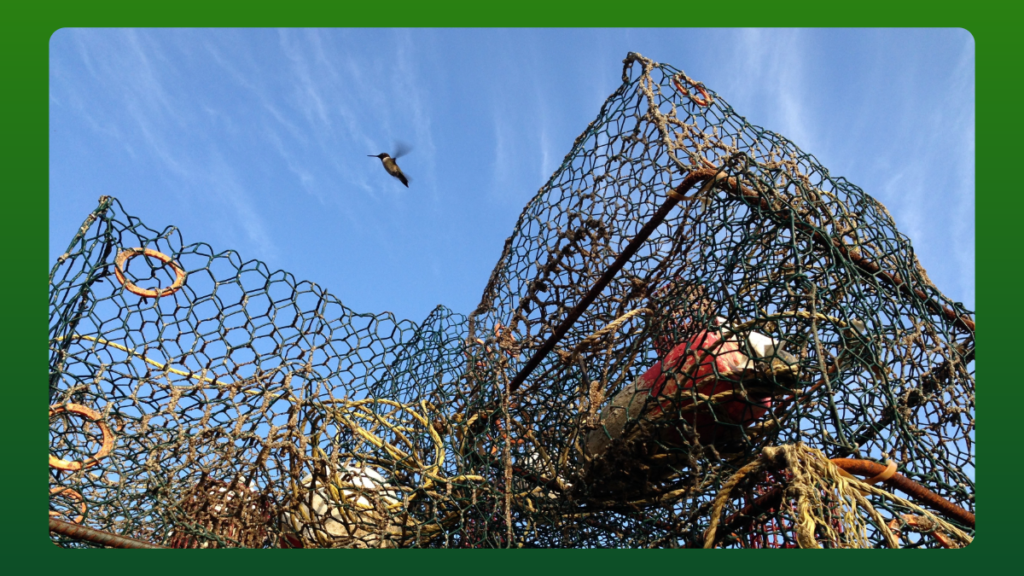
Beginning as early as late July (led by mature males) and ramping up through September, hummingbirds funnel down the Central Flyway toward the Gulf of Mexico.
Why Bolivar Peninsula is a Critical Refueling Hub
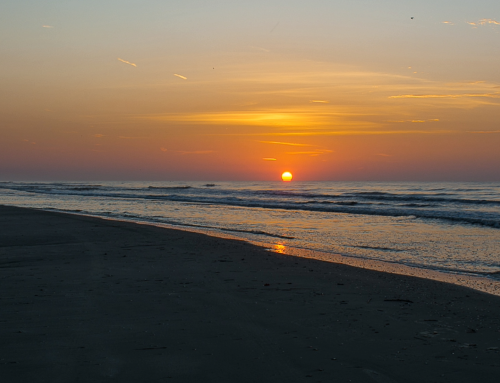
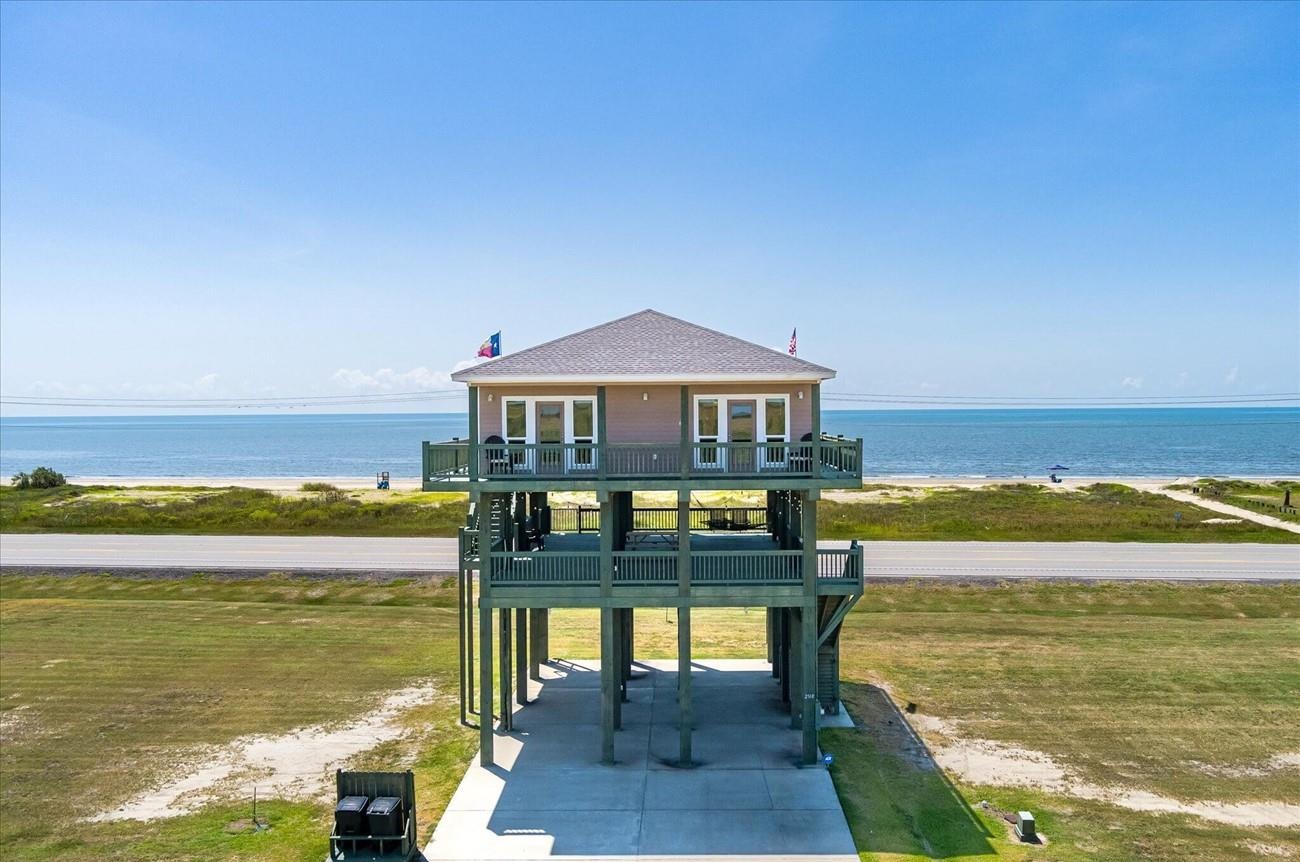
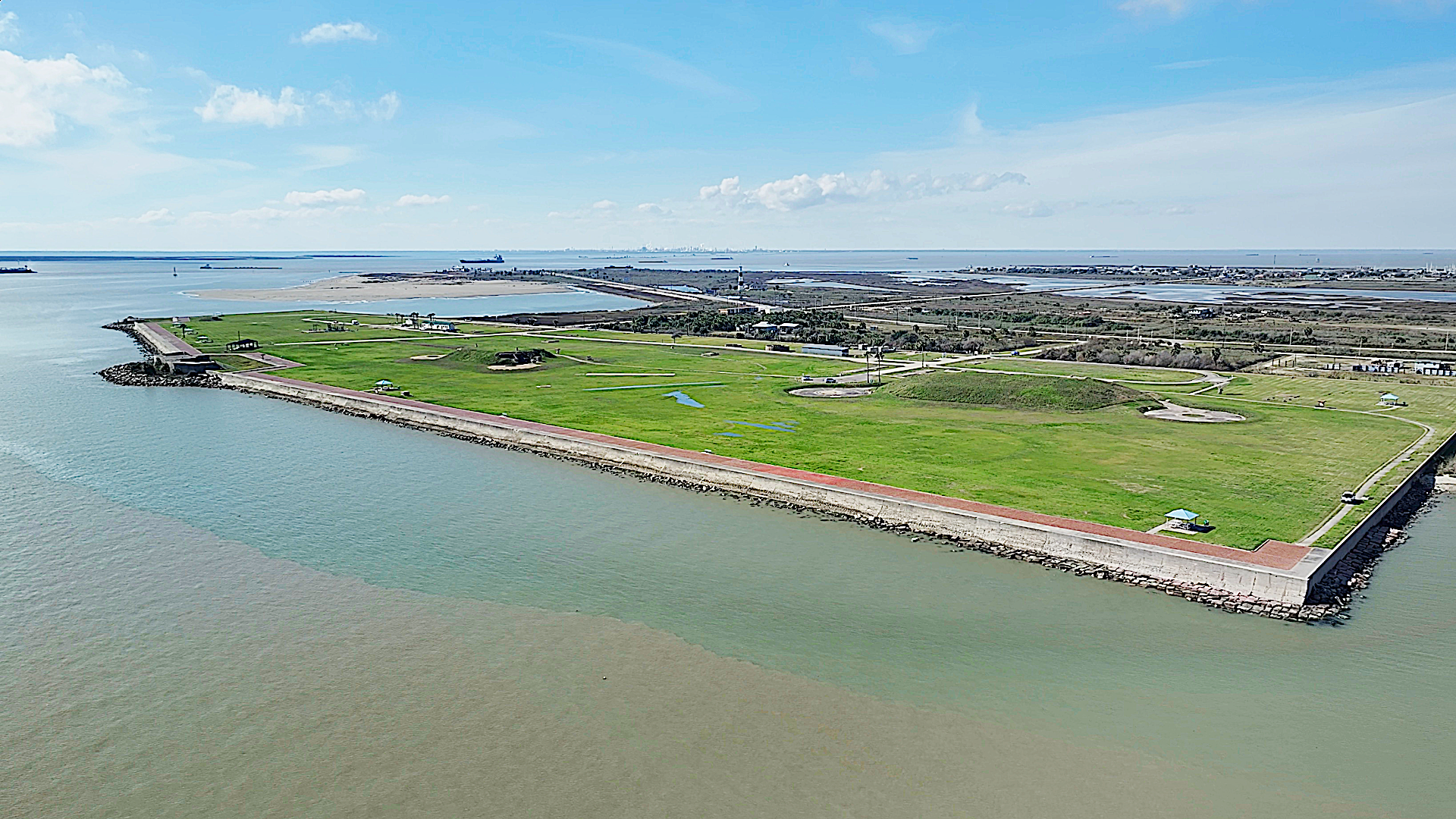
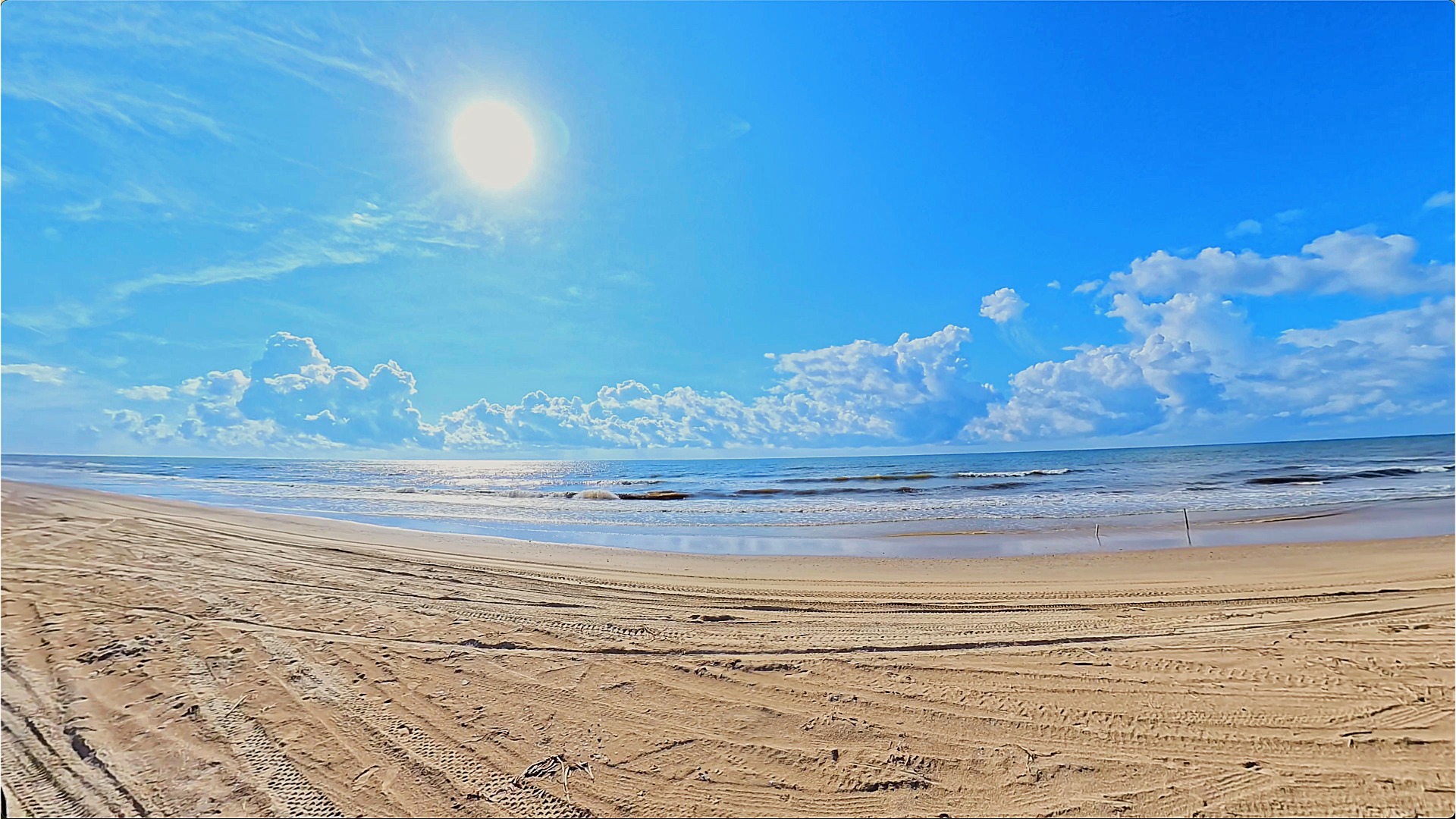
Bolivar Peninsula, along with nearby High Island, acts as an essential “staging ground”. Fronting the Gulf of Mexico, the peninsula’s coastal scrub, oak mottes, and residential flower gardens offer the final feast before the most dangerous leg of their voyage.
At this point, hummingbirds face a major strategic decision:
- The Trans-Gulf Route: Flying non-stop over 500–900 miles of open water across the Gulf of Mexico directly to the Yucatán Peninsula—an 18-to-22-hour continuous flight with zero rest stops.
- The Coastal Overland Route: Hugging the Texas shoreline south through Mexico, a safer but significantly longer land route often taken by younger, inexperienced birds or during adverse weather.
Where They Winter
Once they conquer the Gulf or complete the overland trek around it, these miniature travelers settle into tropical non-breeding grounds. Their winter destinations stretch across:
| Region | Primary Habitat & Locations |
|---|---|
| Mexico | Coastal slopes, tropical dry forests, and canopy edges throughout southern Mexico. |
| Central America | Guatemala, Belize, Honduras, El Salvador, Nicaragua, Costa Rica, and northern Panama. |
| U.S. Gulf Coast | A small percentage overwinter locally along coastal South Texas, Louisiana, and Florida. |
The Journey Back: Spring Migration
The return journey north looks dramatically different. Starting in late February and March, male hummingbirds lead the charge back to North America to claim prime nesting territories.
- The Spring “Fallout”: During spring, hummingbirds predominantly fly across the Gulf of Mexico. If northbound migrants encounter a severe cold front moving south off the Texas coast, exhausted birds are forced down immediately upon reaching land. This results in a famous birding event known as a fallout, where coastal sanctuaries on Bolivar Peninsula and High Island become temporarily covered in thousands of resting hummingbirds and songbirds.
- Arrival Window: Most migrants pass through the upper Texas coast between mid-March and early May, reaching northern states and Canadian territory by late spring.
Peak Season Summary for Bolivar Peninsula
| Migration Phase | Peak Months | What to Expect |
|---|---|---|
| Fall Migration (South) | September – Early October | Highest volume of birds. Feeders and native coastal blooms buzz with intense activity as birds fatten up. |
| Spring Migration (North) | Late March – Late April | Fast-moving birds making landfall. Spectacular fallout events during spring weather fronts. |
Tips for Bolivar Peninsula Locals & Visitors
-
- Hang Feeders Early: Keep nectar feeders (a 4:1 ratio of boiled water to plain white sugar) fresh and ready from late August through October for fall, and March through May for spring.
- Plant Native Flora: Coral honeysuckle, trumpet vine, firebush, and salvia provide high-energy natural nectar to support their long journeys.
- Keep Fresh Water Available: Misters or drip fountains attract tired migrants needing to bathe and drink after miles of continuous flight.