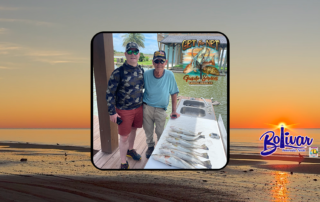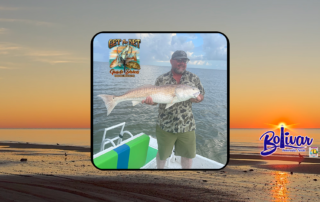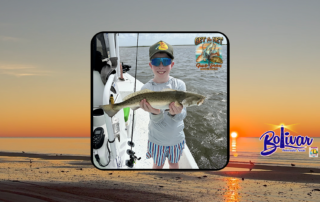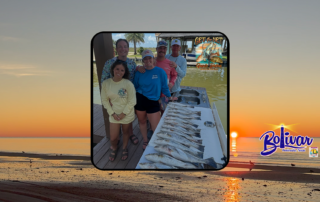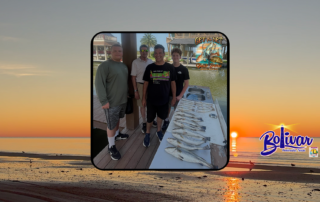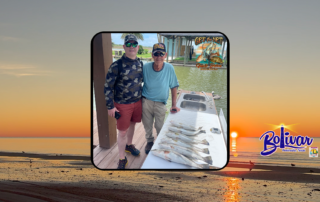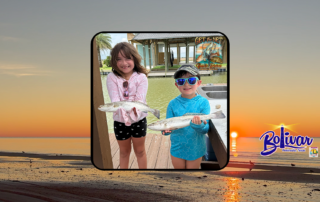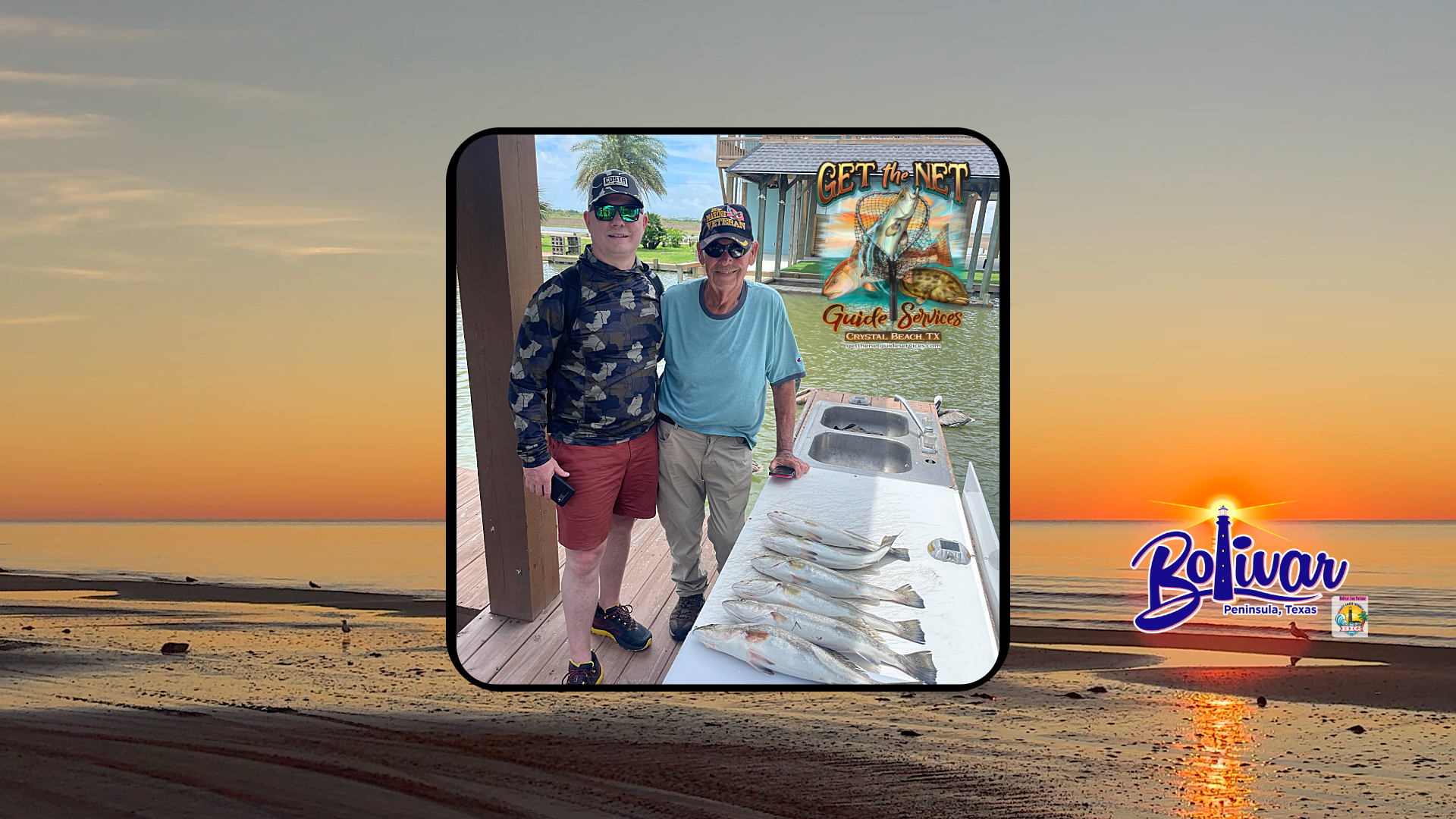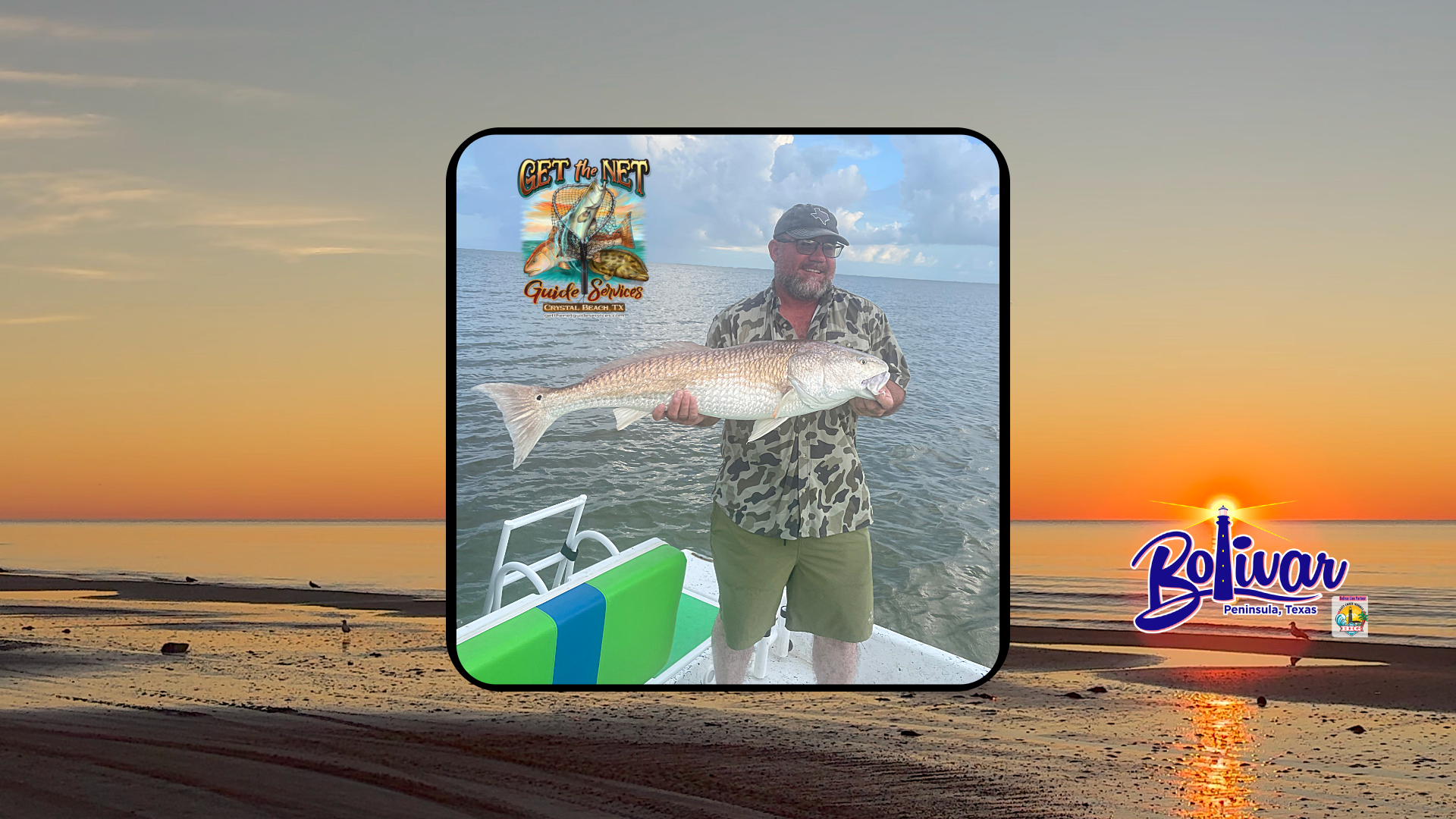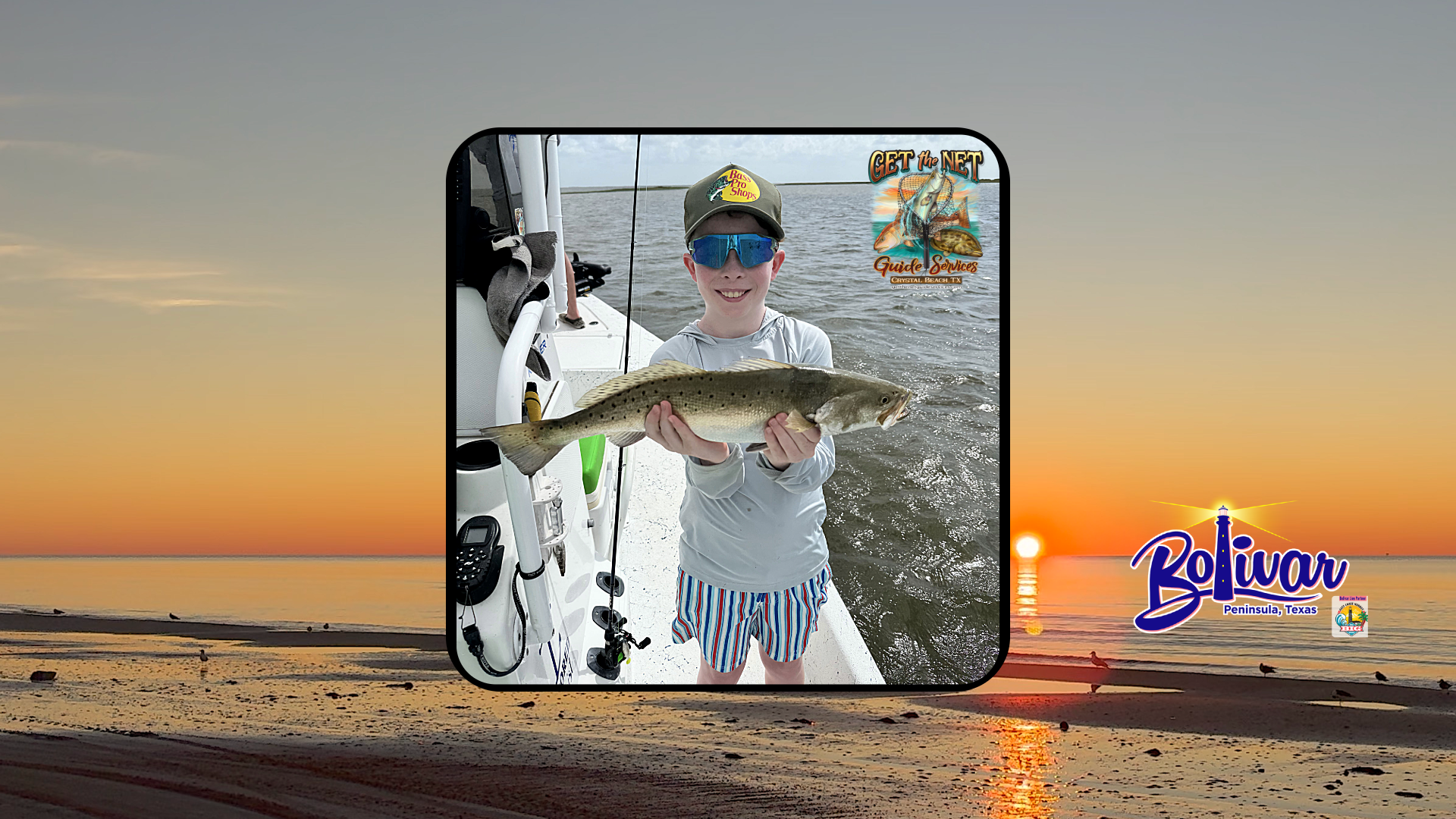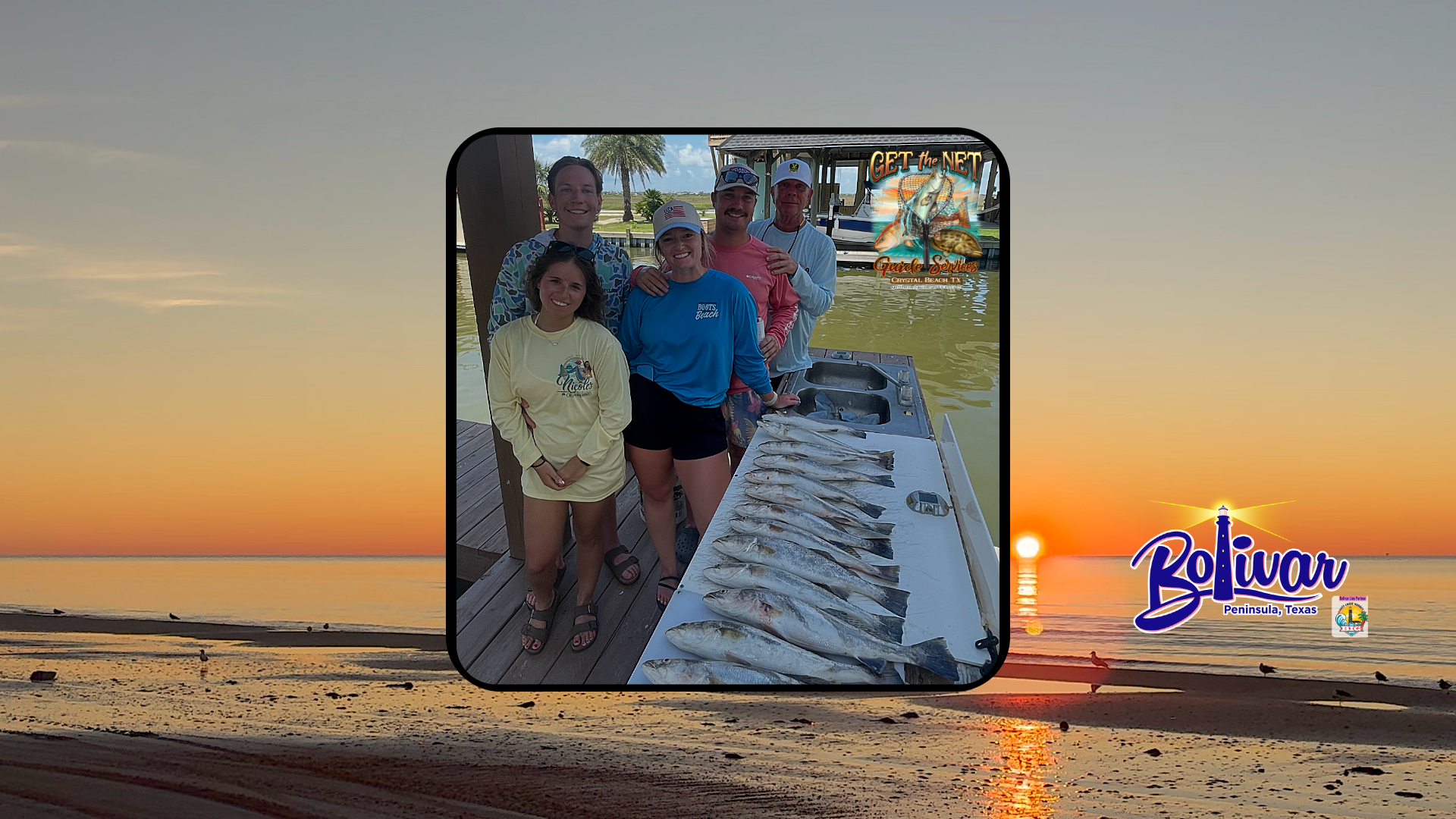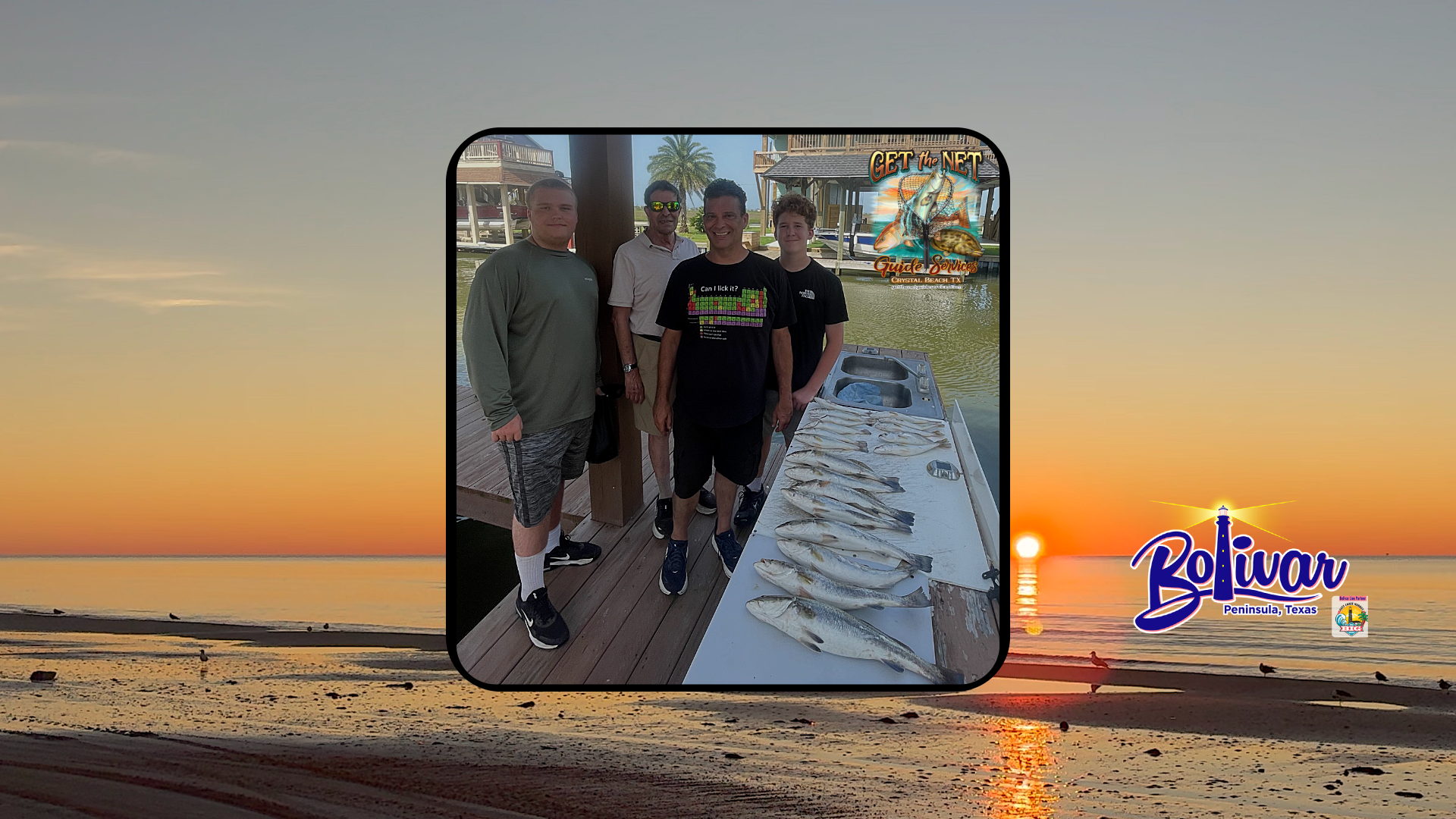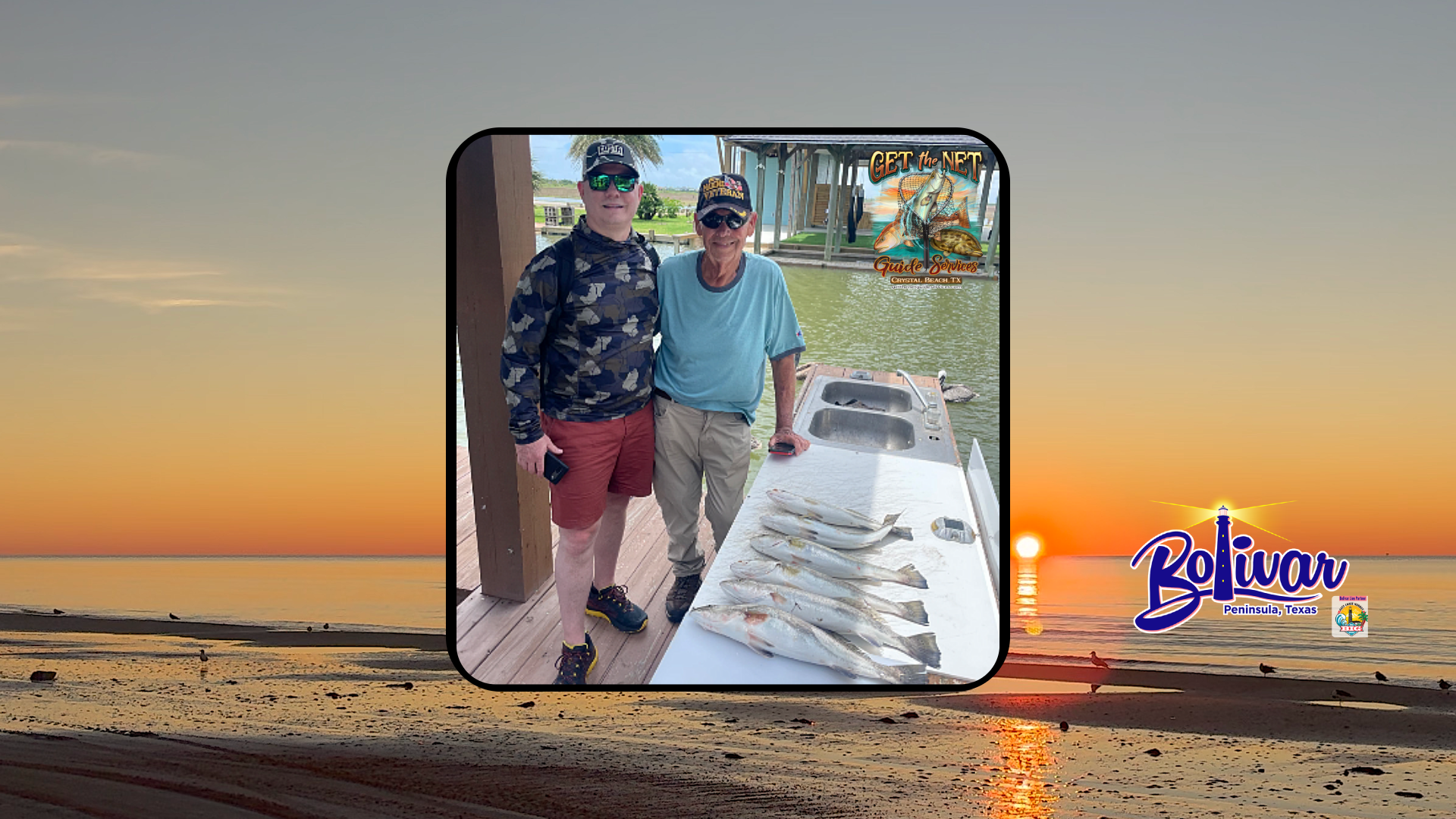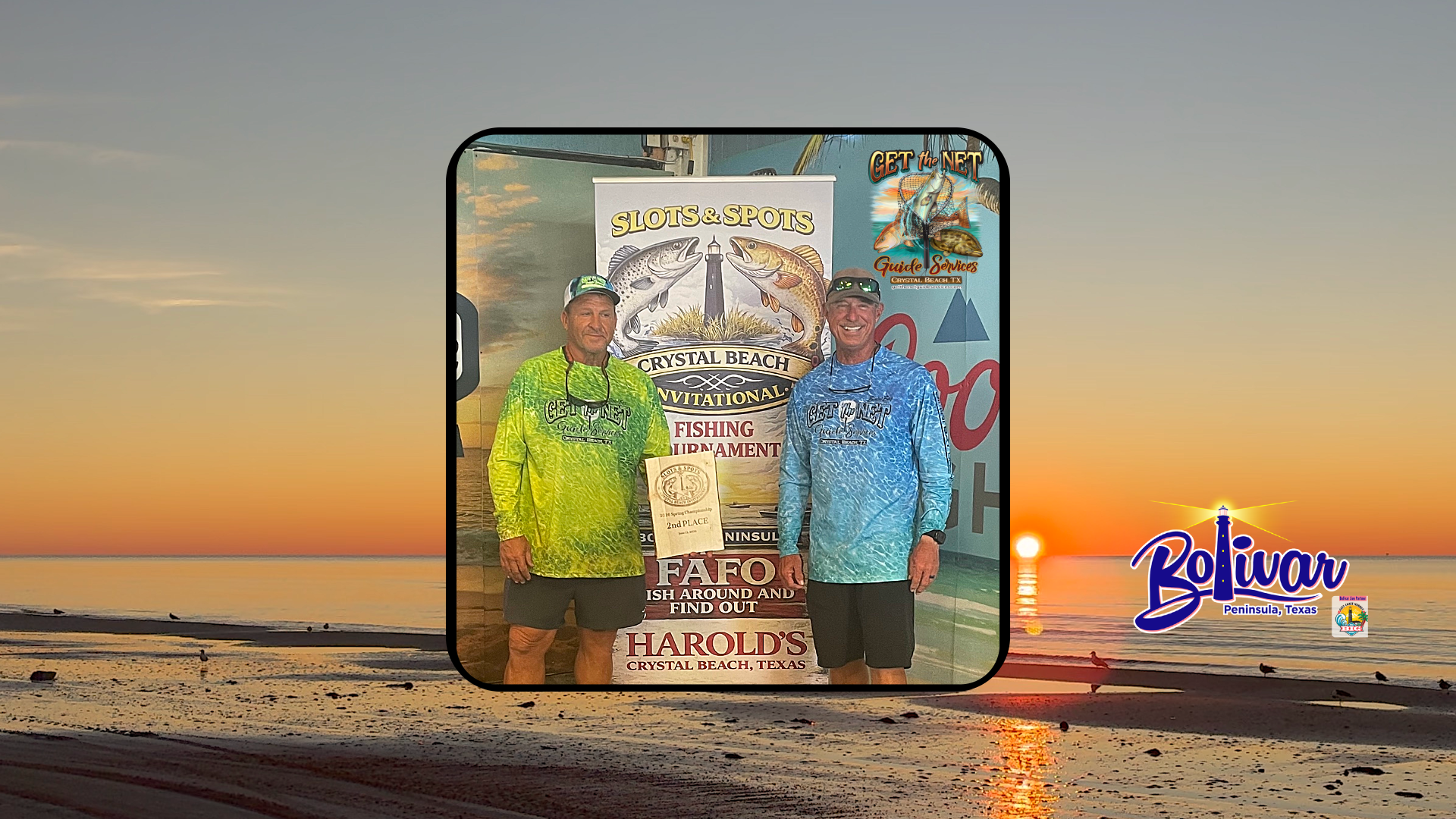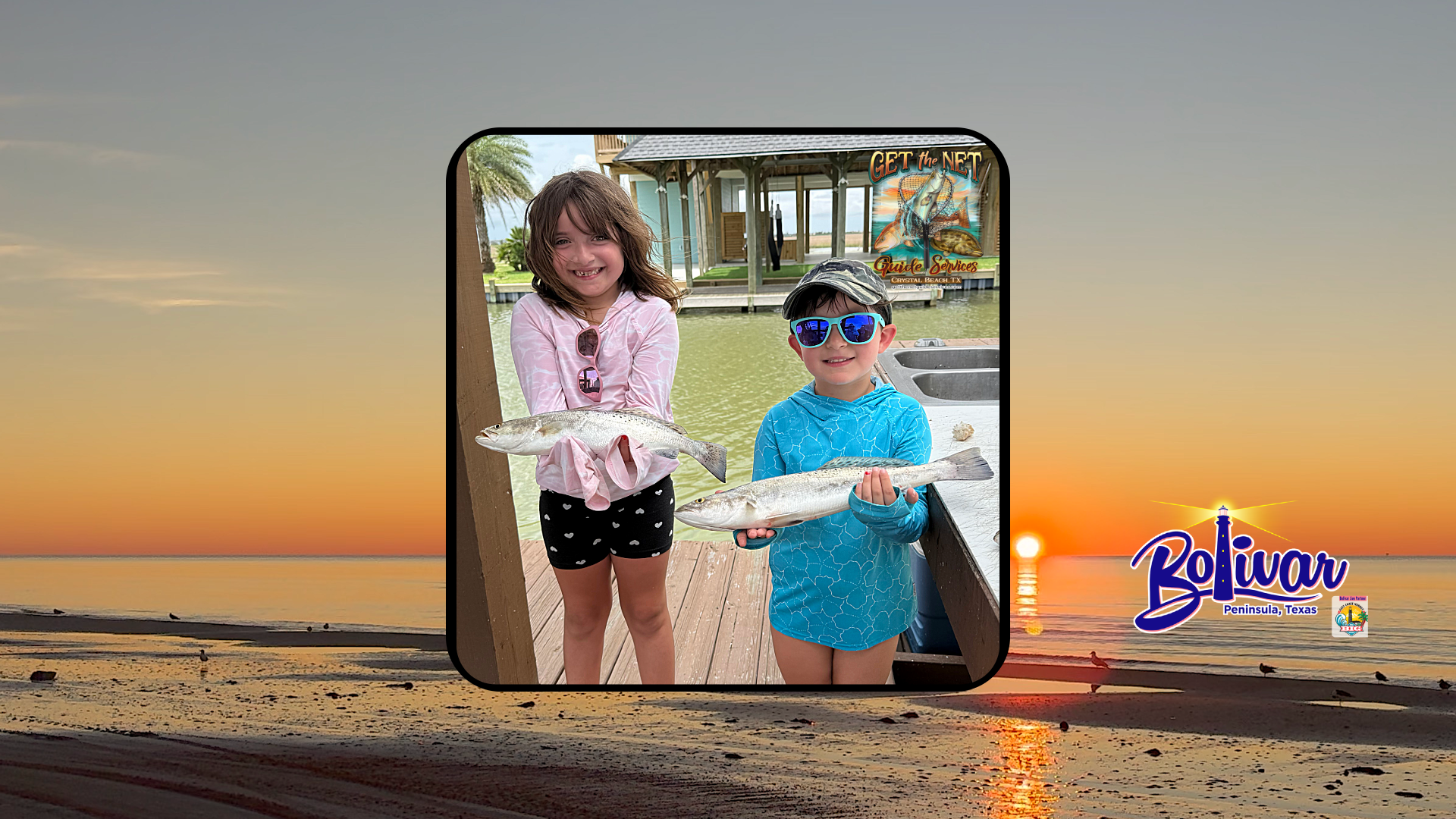
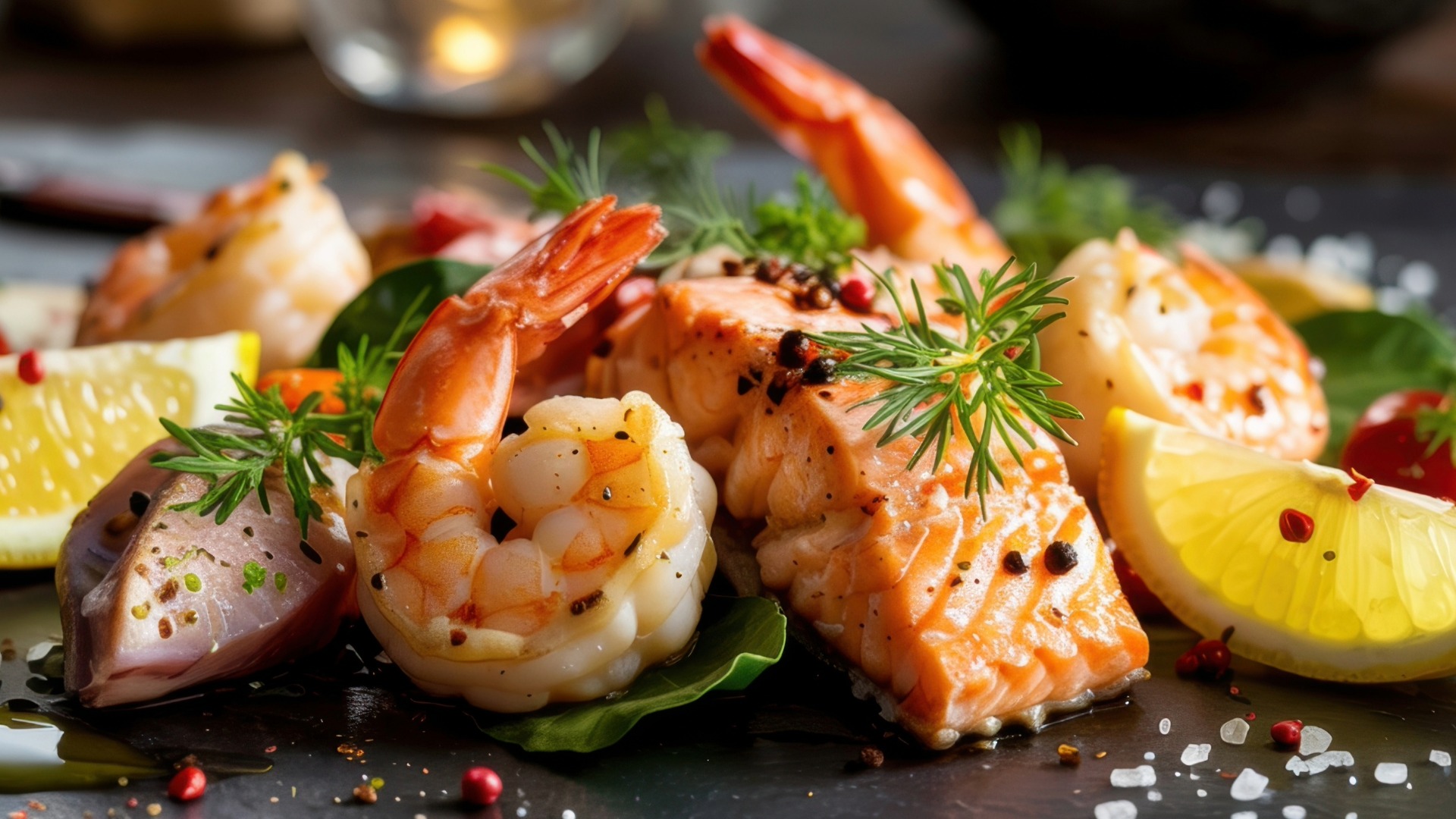
The Gulf of Mexico and the Galveston Bay system stand among America’s premier sources of wild-caught seafood. Fishermen pull shrimp, red snapper, cobia (known locally as ling), and oysters straight from these nutrient-rich waters and deliver them dockside the same day. On Bolivar Peninsula and in Crystal Beach, Texas, this means true boat-to-table freshness that no imported or farm-raised product can match.
Whether you grill jumbo Gulf shrimp, roast a whole red snapper, sear ling fillets, or slurp fresh Galveston Bay oysters on the half shell, the flavor tells the story: sweet, briny, and unmistakably fresh.
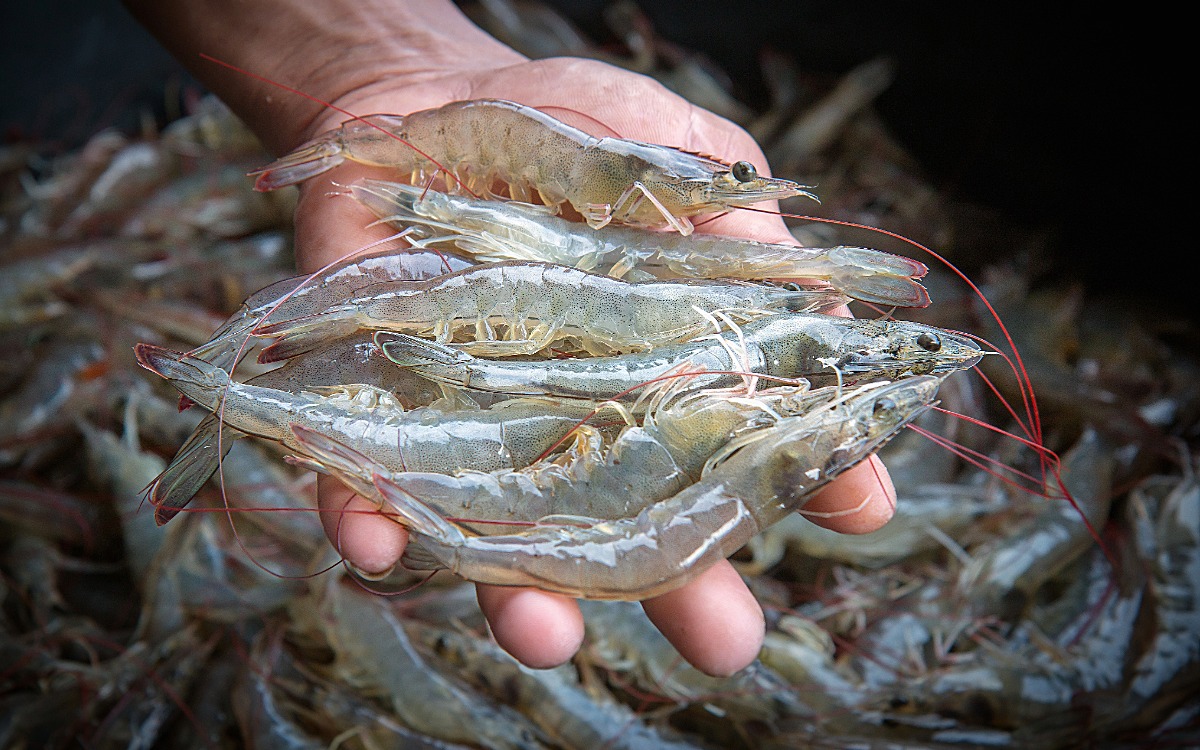
Gulf Shrimp: Sweet, Wild-Caught Perfection
Gulf of Mexico shrimp rank among the most flavorful in the world. Wild-caught in warm, shallow waters off Texas, Louisiana, and beyond, they develop a natural sweetness from their diet of plankton and small crustaceans.
You’ll find them sold head-on or headless, shell-on, in sizes from small (51/60 count) to colossal (U/10). Local shrimpers unload daily at piers on Bolivar Peninsula, and markets like Milts Seafood Market and Stingaree Seafood coming in Spring 2026 sell them the same day.
Pro tip: Look for “Gulf Wild” labels and avoid anything labeled “imported” if you want that true Gulf taste.
Bay-Caught Shrimp from Galveston Bay
Smaller, sweeter, and often sold live or just-off-the-boat, Galveston Bay shrimp thrive in the brackish estuary system. Locals prize them for boiling, étouffée, or quick sautéing. Many fishermen still sell direct from the boat or at small docks during peak season (spring through fall).
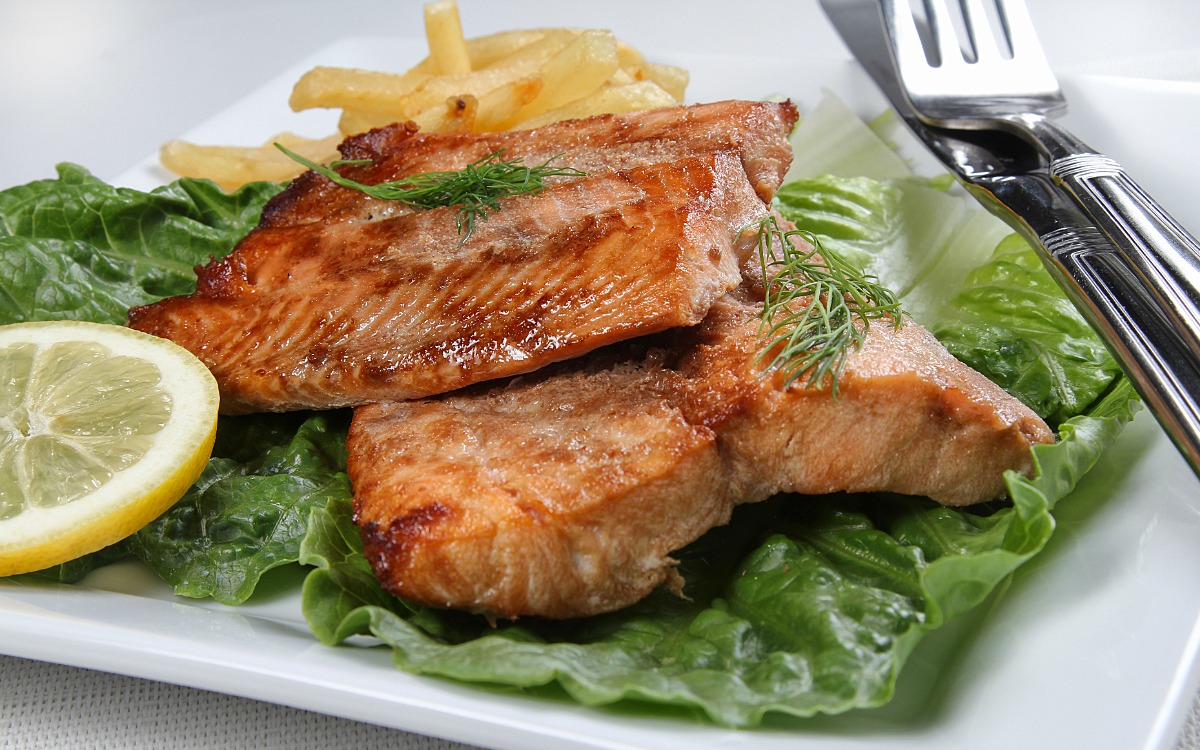
Red Snapper: The Iconic Gulf Prize
Red snapper is the Gulf’s signature reef fish. Bright red skin, firm white flesh, and mild, slightly sweet flavor make it perfect for grilling whole, frying fillets, or blackening.
Federal and state quotas keep the fishery sustainable after decades of recovery. In Texas waters, seasons run from spring into fall (check current regs), and Galveston markets often have whole gutted snapper or fresh fillets available right after boats unload.
Ling (Cobia): The Fighter with Incredible Flavor
In Texas, anglers call cobia “ling.” These fast, powerful fish migrate along the Gulf coast and deliver firm, steak-like white fillets with a mild, buttery taste. Many compare them to a cross between tuna and mahi-mahi.
Cobia shine grilled, seared, or in ceviche. Peak season runs spring through fall, with fish often caught nearshore around rigs, buoys, or shrimp boats.
Why “Boat to Table” On The Texas Coast Makes All The Difference
Local Seafood Markets sit on the docks. Fishermen unload shrimp, snapper, and other catches in the morning, and the same seafood hits the ice or the grill hours later. You literally watch boats tie up behind the market.
This ultra-short supply chain means:
- No freezing or long transport
- Maximum flavor and texture
- Support for local family-run fleets
Quick Ways to Enjoy Your Fresh Catch
- Gulf shrimp → Peel-and-eat boil with Old Bay or garlic-butter sauté
- Whole red snapper → Score, stuff with lemon and herbs, grill or roast
- Ling (cobia) → Blackened fillets or fish tacos
- Galveston oysters → Raw with mignonette or Rockefeller-style
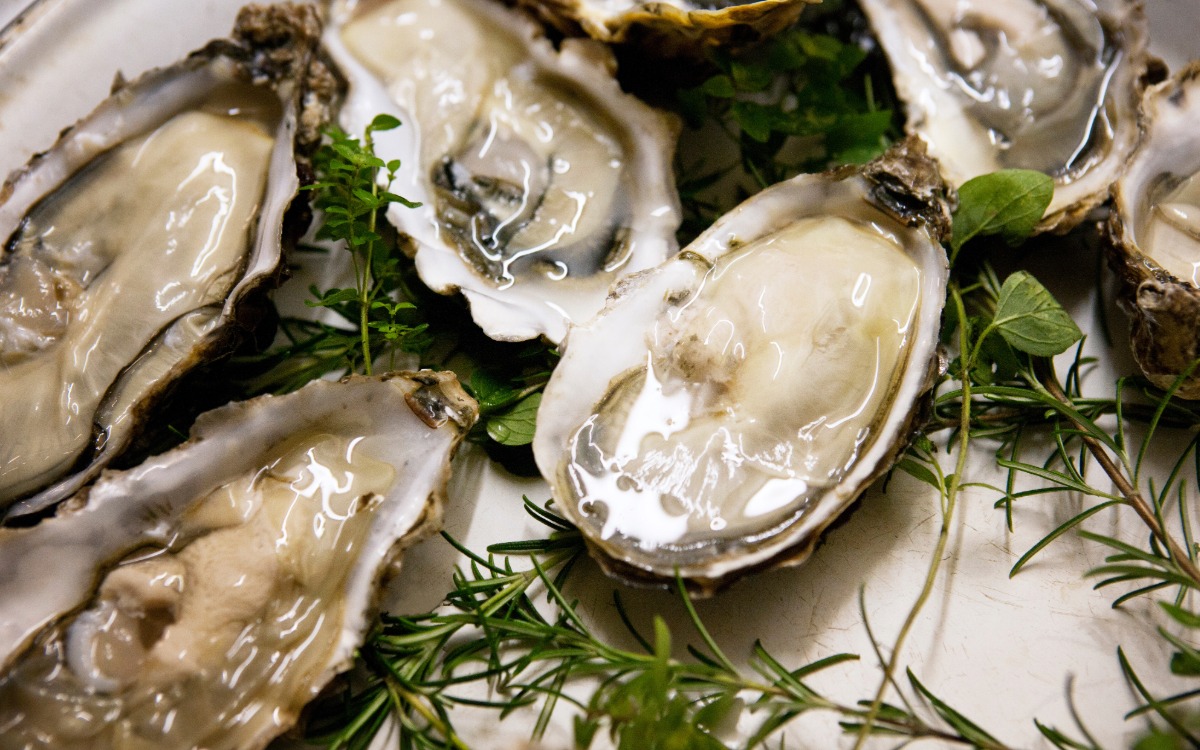
Taste the Gulf – Fresh from the Boat Today
From sweet Gulf shrimp to plump Galveston Bay oysters, the seafood pulled from these US waters delivers unmatched quality and flavor. Visit Bolivar Peninsula, stop by a dockside market, and experience the difference that hours—not days—make between the boat and your table. While visiting Bolivar Peninsula or vacationing in Crystal beach, Texas- Enjoy loacally sourced fresh seafood at one of our family owned restaurants like, Stingaree Restaurant which will also have a new Fresh Caught Seafood Market in Spring 2026 or Jose’s Cajun Seafood and Steaks, both family owned, serving up locally sourced seafood.
When you crave truly fresh seafood, the Gulf of Mexico and Galveston Bay deliver every single time.